−『素問』四氣調神大論篇第二。
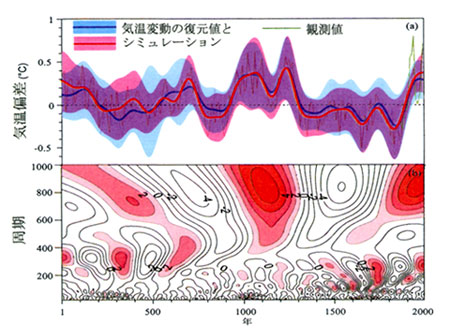
夏は日が長く、おまけに暑い!ここ数年は危険な暑さが連日続きます。『素問』が成立したとされる漢代(前漢・後漢:紀元前202年〜西暦220年)の平均気温を調べてみましたら、現代(20世紀基準)と大差ないか、少し暖かかったらしいということがわかりました。前漢の首都は長安、後漢の首都は洛陽ですが、いずれにしても、日本より北側に位置しているとはいえ、クーラーが無い時代ですから、暑さで体が気だるくなっていたと思われます。
夏は節度を守って、夜はそこそこで眠り、朝は早く起きる。この節度を守る生活リズムをすることで、体内の陽氣を守り、夏に順応できる体が作れると書かれています。
ーーーーーーーーーーーーーーーーーーーーーーーー
69* “Go to bed at night and rise early; do not shun the summer sun.”– “Somon” Shi-qi-Choshin-Tairon Volume 2.
Summer days are long—and hot! In recent years, we have seen a succession of days with dangerously high temperatures. When I looked into the average temperatures during the Han Dynasty (encompassing the Western and Eastern Han periods, from 202 BCE to 220 CE)—the era when the Suwen (a foundational text of traditional Chinese medicine) is believed to have been compiled—I found that the climate was likely similar to, or perhaps slightly warmer than, that of modern times (based on 20th-century standards). Although the Han capitals of Chang’an and Luoyang were located further north than Japan, the lack of air conditioning meant that people surely suffered from the heat, likely experiencing the lethargy and physical heaviness that come with it.
The key to summer is moderation: retiring at a reasonable hour and rising early. It is said that maintaining this balanced daily rhythm helps preserve the body’s internal yang energy, allowing one to build a constitution that is well-adapted to the summer season.